
Rewriting sounds like one job until you actually sit down with a messy draft. Sometimes you want cleaner grammar, sometimes you want paraphrasing, and sometimes you need a much deeper rewrite.
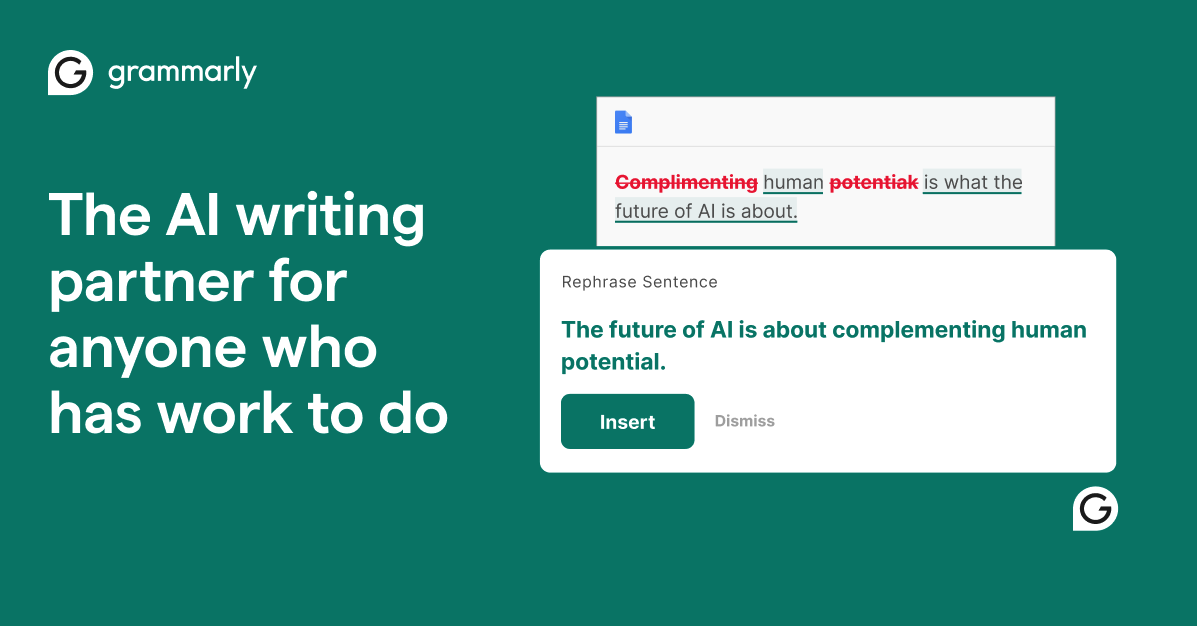
Grammarly is the easiest fit for everyday writing cleanup, clarity improvements, and tone smoothing.
QuillBot makes more sense when paraphrasing and sentence-level rewrites are the main event.
ChatGPT is strongest when the rewrite requires bigger structural or audience changes.
Keep the likely contenders in view
Comparison pages should surface the main options early so the rest of the page reads like guidance, not a reveal.
QuillBot
Students, knowledge workers, and everyday writers who want paraphrasing, summarization, grammar cleanup, and citation-aware rewrite help…
ChatGPT
People who want one flexible AI tool for drafting, brainstorming, summarizing, and everyday workflow glue.
Grammarly
People who want writing cleanup, rewriting help, grammar fixes, tone adjustments, and workflow-friendly editing across web and desktop use.
Where each option wins
Grammarly, QuillBot, and ChatGPT are not interchangeable even though all three can help with rewriting. One is closer to an editing layer, one is more rewrite-focused, and one is a broader AI assistant that can rewrite well when you know what to ask for.
" The first question is not which tool is smartest. It is what kind of rewrite you actually need. "
What starts to matter in real use
A lot of bad tool choices happen because people say rewriting when they really mean one of three different jobs: edit this, paraphrase this, or rewrite this from scratch.
Best next move
A dedicated rewrite tool wins when the task is narrow, repeated, and predictable. A general AI assistant wins when the rewrite is really a deeper thinking task in disguise.
Bottom line
Grammarly, QuillBot, and ChatGPT can all help with rewriting, but they are not solving the same job in the same way. Here is how to choose the right one for cleaner edits and faster drafts.